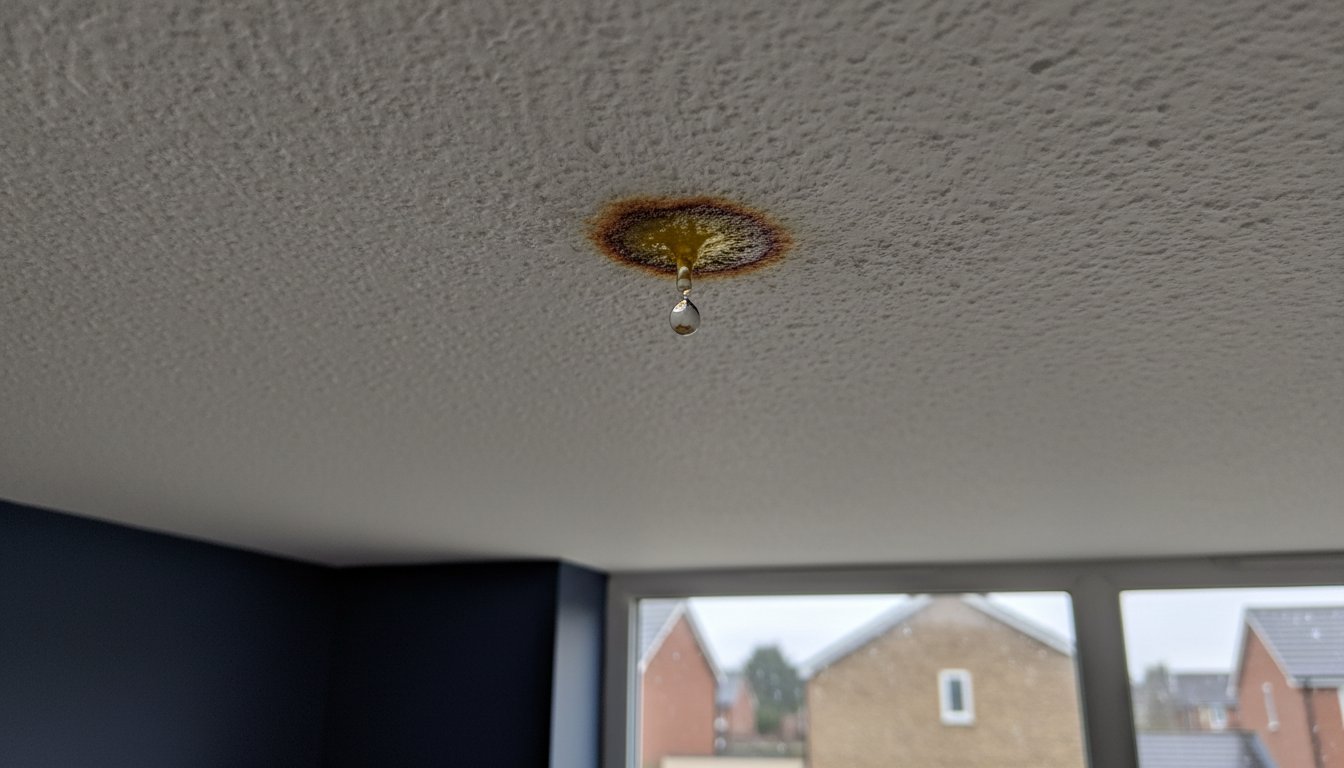
That small, yellowish patch appearing in the corner of your living room is rarely just a cosmetic issue; it's a late-stage warning that your roof's defense system has already failed. We understand the immediate stress that comes with spotting a water stain on ceiling after rain. You're likely worrying about the potential for structural timber rot or the challenge of finding a trustworthy roofer in Norwich who can help before the next storm arrives. It's a common concern, especially when you want to protect your property without facing escalating repair costs.
This guide will help you accurately diagnose the source of the moisture and explain the most practical ways to protect your home's structural integrity. We'll walk you through the essential steps to stop further damage and show you how to find a local professional who values honest craftsmanship. By the end of this article, you'll have a clear plan to restore your ceiling and the peace of mind that comes with a dry, secure home.
Key Takeaways
- Determine if your leak is coming from the roof or a plumbing fixture by monitoring how the patch reacts to heavy rainfall.
- Understand the chemistry behind why a water stain on ceiling after rain appears as a discolored ring, signaling that moisture has bypassed your home's primary barrier.
- Use practical emergency techniques, like the "nail trick," to relieve water pressure and protect your plasterboard from collapsing during a storm.
- Act quickly to address dampness within 48 hours to prevent mold spores from taking hold and damaging your home's structural timber.
- Learn how professional roofers identify the specific entry point of water to help you choose between a cost-effective repair and a necessary replacement.
Understanding Your Ceiling Water Stain: What Is It Telling You?
A water stain on ceiling after rain is more than a simple mark on your decor; it's a signal that your home's primary weather barrier has been breached. When rainwater finds a way through your roof tiling or leadwork, it begins a journey through your property's structure. By the time you see a discolored patch, the water has already saturated the materials above it. This visible damage is the final stage of a process that often starts high above your living space.
To better understand the nature of these stains and how they form, watch this helpful video:
The characteristic brown or yellow hue of these marks isn't just dirty water. It's actually a chemical reaction. As moisture moves through timber joists and plasterboard, it picks up surfactants from paint and tannins from wood. When the water eventually evaporates, it leaves these concentrated substances behind. This creates the "ring" effect you see, where each new storm adds another layer to the border. This cycle of wetting and drying is a primary driver of water damage, which can lead to the gradual decay of your home's internal components.
Texture is your first diagnostic tool. A dry, flaky stain often indicates a leak that has temporarily stopped or is very slow. However, if the plasterboard feels soft, spongy, or damp to the touch, you have an active situation that requires immediate attention. Identifying the texture helps us determine the urgency of the roof repairs needed to protect your interior.
The Anatomy of a Ceiling Leak
Gravity is the main factor in where a stain appears. Water rarely travels in a straight line. It might enter through a slipped tile, run down a rafter, and then pool on top of your insulation. Modern insulation acts like a sponge, holding significant amounts of water before it finally gets heavy enough to soak through the ceiling board. This means the actual hole in your roof could be several feet away from where the water stain on ceiling after rain is actually visible in your room.
Telltale Signs of an Active Leak
We often recommend using a moisture meter to get a definitive answer on whether a leak is currently active. These tools provide a clear reading of the moisture content within the plaster. You can also monitor the stain during the next heavy Norfolk rain spell. If the borders expand or the color deepens, the entry point is still open. A distinct, musty smell in your loft or near the stain is another strong indicator that dampness is trapped and potentially affecting your timber.
Is It a Roof Leak or Something Else? Diagnosing the Source
Before you begin planning repairs, we need to determine where that moisture is coming from. While a water stain on ceiling after rain is a strong indicator of a roofing issue, it isn't the only possibility. We often suggest homeowners check their bathroom fixtures or loft tanks first. If a stain appears directly below a shower or a water tank and stays damp regardless of the weather, you're likely dealing with a plumbing fault; in these instances, reaching out to Parallel Plumbing and Heating can help rule out issues with your home's internal pipework or heating systems. However, if the patch only darkens or grows during a heavy Norfolk downpour, the roof is almost certainly the culprit.
Understanding the Common Causes of Water Stains can help you narrow down the search. In our experience working across Norwich, we've found that wind-driven rain is a frequent factor. Our local climate often brings driving winds that can force water under traditional pantiles or slates, especially on older properties. This "attic rain" can also be caused by poor ventilation. When warm, moist air from your home hits the cold underside of your roof, it condenses and drips, mimicking a leak even when the tiles are perfectly intact.
Common Culprits in Pitched Roofs
In many Norwich homes, the issue stems from a few specific areas on a pitched roof. We frequently find that high winds have caused tiles to slip or break, leaving the underfelt exposed. While the felt provides a secondary line of defense, it isn't designed to be waterproof forever. Once it perishes, water enters the loft space. We also pay close attention to lead flashing around chimneys and in roof valleys. These joints are under constant stress from temperature changes and can crack over time, allowing water to seep into the structural timber.
Flat Roof Vulnerabilities
If your home has a modern extension or a garage, flat roof issues are a common cause of internal damage. Ponding water is the most frequent problem; if the roof doesn't drain correctly, standing water eventually finds a way through the surface. Over time, UV damage can cause bitumen felt to crack or "alligator," creating tiny entry points for moisture. If you've noticed a water stain on ceiling after rain in a room with a flat roof above it, you can learn more about flat roof repairs in Norwich to see which solution fits your situation.
Identifying the exact entry point is a methodical process. If you're unsure about the state of your roof after a storm, we can help you assess the damage before it leads to more costly structural issues.
The Hidden Risks of Ignoring a "Small" Water Spot
It's tempting to view a small water stain on ceiling after rain as a minor cosmetic annoyance that can wait for a drier season. However, water is a patient destroyer. When moisture bypasses your roof, it doesn't just sit on the plasterboard. It begins to saturate your ceiling joists and mineral wool insulation. Once mineral wool becomes sodden, it loses its thermal properties permanently. Even after it dries, the fibers remain compressed, which means your home loses heat more effectively and your energy bills could rise as a result.
Structural integrity is our primary concern. Plasterboard is essentially a layer of gypsum sandwiched between paper. When it absorbs water, it becomes incredibly heavy and loses its structural bond. If left unaddressed, the weight of the trapped water and the saturated board can lead to a sudden ceiling collapse. We've seen instances in local properties where a neglected leak turned a small damp patch into a significant interior renovation project because the underlying support had rotted away.
- Electrical Hazards: Water often tracks along the easiest path, which frequently leads to light fittings or ceiling fans. Water and electricity are a fatal combination in domestic lofts; moisture in these fixtures can cause short circuits or even fire.
- The Mold Factor: Damp environments become a breeding ground for mold spores within 48 hours. This hidden attic mold can spread quickly through your ventilation, potentially leading to respiratory issues for your family.
- Timber Decay: Continuous moisture leads to wet rot in your roof's structural timbers. This is far more complex to fix than a simple tile replacement and may eventually require timber replacement to keep the roof stable.
The Cost of Delay
We've found that homeowners often wait to call a professional because they fear the initial bill. In reality, the cost of delay is much higher. A simple fix, such as replacing a few slipped tiles or repairing leadwork, is a straightforward and affordable task. If you wait, you're looking at a much larger bill for new insulation and professional ceiling replastering. In the Norwich property market, evidence of ongoing damp or a poorly patched ceiling can also significantly lower your home's resale value during a surveyor's inspection.
Some people try "painting over it" with a stain-blocker. This is a significant mistake. While the mark might disappear from view, the dampness remains trapped inside the structure. This only masks the symptom while the underlying problem continues to rot your home from the inside out.
Health and Safety Implications
Your family's health is the most important factor. Hidden mold in the attic can trigger allergies and asthma before you even realize it's there. Beyond respiratory risks, the physical safety of your rooms is at stake. A fully saturated ceiling board can weigh several times its original weight, creating a genuine risk of collapse onto the furniture or people below. We always prioritize making these areas safe as part of our storm damage repairs process, ensuring your home remains a secure environment for everyone inside.
Emergency Triage: What to Do While It’s Still Raining
When you spot a water stain on ceiling after rain while the storm is still raging, your first priority is active damage limitation. You don't have to wait for the clouds to clear before taking action to protect your property. Start by clearing the area directly beneath the damp patch. Move any furniture, rugs, or electronics to another room. If an item is too heavy to move, cover it with heavy-duty waterproof sheeting. We've seen many instances where a small drip turned into a steady stream within minutes, so acting quickly can save your interior belongings from being ruined; if your carpets or upholstery are affected, you can visit UK Carpet Care Ltd for specialist restoration support.
If you notice the plasterboard is starting to sag or a visible bulge is forming, you need to relieve the hydraulic pressure. This is where the "nail trick" is essential. Use a small nail or a screwdriver to carefully pierce a hole right in the center of the bulge. It feels counterintuitive to make a hole in your ceiling, but this controlled release allows trapped water to flow into a bucket rather than spreading horizontally across the plaster. This simple step prevents the gypsum from becoming fully saturated and significantly reduces the risk of a sudden, heavy ceiling collapse.
While you're managing the water, don't forget to document everything. Take clear photos and videos of the water stain on ceiling after rain, the active drip, and any damage to your flooring or furniture. Thorough documentation is vital for insurance claims. Most policies cover "sudden and accidental" water damage, and having a visual record from the moment the leak started will help your case. Once the area is contained, you can request a storm damage assessment to begin the professional recovery process.
Safe Attic Inspection
If you have safe access to your loft, a quick inspection can help us identify the source faster. Never tread directly on the ceiling boards between the joists, as they are weakened by the moisture. Instead, stay on the structural timbers. Use a torch to look for "tracking" marks on the rafters. Water often enters through a slipped tile and runs down the timber before dripping onto the insulation. If you find the entry point, you can place a bucket underneath it or carefully lay a piece of plastic sheeting over the affected area inside the loft to redirect the water.
When to Call for Emergency Roof Repairs
A minor drip can often wait until the morning, but certain signs indicate a structural emergency. If water is flowing near light fittings, if you hear cracking sounds from the ceiling, or if a large section of the roof has been visibly stripped of tiles, you need immediate professional intervention. Finding a Norwich roofing specialist who can provide emergency roof repairs in Norwich ensures that your home is made watertight before the next band of weather arrives. We prioritize these urgent calls to prevent a manageable leak from becoming a total roof failure.
Professional Roof Repair: Restoring Your Home’s Integrity
Once the storm passes and you've managed the immediate drip, the focus shifts to permanent restoration. A water stain on ceiling after rain is a symptom that requires a methodical diagnostic approach to ensure the underlying issue is completely resolved. We don't just look at the damp patch; we trace the moisture back to its exact entry point on the roof. Our professional process involves inspecting the roof tiling, checking the integrity of the leadwork, and ensuring the underlay is functioning correctly. By identifying the root cause rather than just the symptom, we prevent the same issue from returning during the next heavy downpour.
One of the most frequent questions we receive is whether a simple patch is sufficient or if a full replacement is necessary. In many cases, targeted roof repairs to specific areas like chimney flashings or slipped tiles are all that's needed to restore your home's integrity. However, if the structural timber has significant rot or if a large percentage of the roof surface is compromised, we will provide honest advice on whether a full replacement is the most cost-effective long-term solution. Our goal is to provide a repair that lasts, rather than a temporary fix that fails during the next Norfolk winter.
Norwich is home to a beautiful variety of architecture, from traditional flint cottages with clay pantiles to modern extensions with flat roofs. We take great pride in our material matching. We ensure that any new tiles, slates, or leadwork blend seamlessly with your existing property. This attention to detail preserves your home’s character and its market value. Every project we undertake comes with a detailed written quotation and a clear commitment to quality, so you know exactly what to expect before we begin work.
Specialist Solutions for Norwich Homes
We offer specialized services tailored to the unique needs of local properties. For traditional pitched roofs, we provide expert leadwork and roof tiling that respects the original construction of your home. If your issue involves a modern extension or garage, our flat roof solutions include high-performance bitumen felt and durable membranes designed to prevent ponding water. You can find more information on selecting the right professional in our guide to expert roofers in Norwich.
Why Choose I R. Wilson Roofing?
We are a family-run business with over 30 years of experience serving the Norfolk community. Our team is directly involved in every project, bringing a sense of personal accountability and craftsmanship that distinguishes us from larger, faceless corporations. We believe in transparency, offering fixed-price project fees and honest, expert advice without high-pressure sales tactics. Our reputation is built on long-term relationships and the safety of our customers' homes.
Ready for peace of mind? Book a free roof inspection today and let us help you protect your property with a dependable, professional repair.
Protecting Your Home From the Next Norfolk Storm
Identifying a water stain on ceiling after rain is a vital first step in protecting your property's long-term health. We've discussed how these marks are late-stage warnings of a failing weather barrier and why addressing them quickly prevents costly structural decay. Whether you're dealing with a traditional pitched roof or a modern flat extension, a methodical diagnosis ensures the root cause is resolved for good. Taking action now saves you from the stress of emergency repairs during the peak of the storm season.
As a family-run business since 1994, I R. Wilson Roofing has earned its reputation as a dependable choice for Norwich homeowners. We are specialists in both flat and pitched roof repairs, and we take great pride in providing the honest, technical guidance our neighbors expect. We understand that property maintenance can be stressful. Our goal is to provide a service that is as reassuring as it is professional, backed by decades of local experience and craftsmanship.
Don't wait for the next heavy downpour to test your roof's integrity. Get an Expert Roof Inspection from I R. Wilson Roofing to secure your home with quality that lasts. We look forward to helping you keep your home dry and secure for years to come.
Frequently Asked Questions
Is a water stain on the ceiling always a roof leak?
No, while identifying a water stain on ceiling after rain often points to a roofing issue, it can also be caused by internal plumbing faults or condensation. Check if the mark only darkens or grows during wet weather. If the patch stays damp during dry spells, you should inspect bathroom fixtures or loft tanks. Condensation, often called "attic rain," is another common cause in poorly ventilated Norwich lofts where warm air hits a cold roof surface.
Can I just paint over a water stain on my ceiling?
You shouldn't paint over a stain until the underlying leak is fully repaired and the area is dry. Simply covering the mark with paint or a stain-blocker hides the symptom while moisture continues to damage your structural timber and insulation. Once we have confirmed the roof is watertight and the plasterboard is completely dry, you can safely redecorate. Painting too early often results in the stain bleeding through the new layer or the paint bubbling.
How much does it cost to fix a roof leak in Norwich?
The cost of a repair depends entirely on the extent of the damage and the materials needed for the fix. A minor task, such as replacing a few slipped tiles or resealing leadwork, is much more affordable than addressing a long-term leak that has caused rot in the structural timbers. We recommend a professional inspection to provide an accurate, fixed-price quote based on the specific needs of your property and the current market for quality roofing materials.
Will my home insurance cover a water stain on the ceiling after rain?
Most standard home insurance policies cover "sudden and accidental" water damage, such as a leak caused by a storm. This typically includes the cost of repairing the ceiling and internal decor. However, insurers rarely cover "gradual" damage caused by a lack of maintenance or the cost of repairing the roof itself. It's important to document the damage with photos immediately and check your specific policy wording regarding "trace and access" coverage for leaks.
How do I know if a ceiling stain is old or new?
You can determine if a stain is active by checking its texture and monitoring its size over time. New stains are often damp or soft to the touch, while old stains feel dry and may be brittle or flaky. We suggest lightly circling the border of the stain with a pencil. If the mark expands beyond that line during the next Norfolk rain spell, you have an active leak that requires professional attention to prevent further decay.
What happens if I ignore a small water spot on my ceiling?
Ignoring a small water stain on ceiling after rain can lead to significant structural damage and health risks. Over time, consistent moisture weakens the plasterboard and rots the wooden ceiling joists, which could eventually lead to a partial ceiling collapse. Small leaks also create the perfect environment for mold to thrive in your attic. What starts as a minor cosmetic issue can quickly escalate into a project requiring extensive timber replacement and new insulation.
How long does it take for mold to grow after a roof leak?
Mold spores can begin to colonize a damp surface within 24 to 48 hours of moisture exposure. In a dark, poorly ventilated attic space, this growth can spread rapidly before it's even visible from the room below. This is why it's vital to dry out the affected area as soon as the leak is stopped. Professional intervention ensures that damp insulation is replaced and the environment is no longer hospitable to spores, protecting your family's respiratory health.
Should I pop a water bubble in my ceiling?
Yes, you should carefully pierce a small hole in the center of a water bubble to relieve the hydraulic pressure. This prevents the water from spreading horizontally across a larger area of the plasterboard and reduces the weight on the ceiling structure. Be sure to place a bucket underneath before you start. This controlled release helps limit the damage to a small, patchable area rather than risking a total ceiling failure while you wait for a roofer.


