
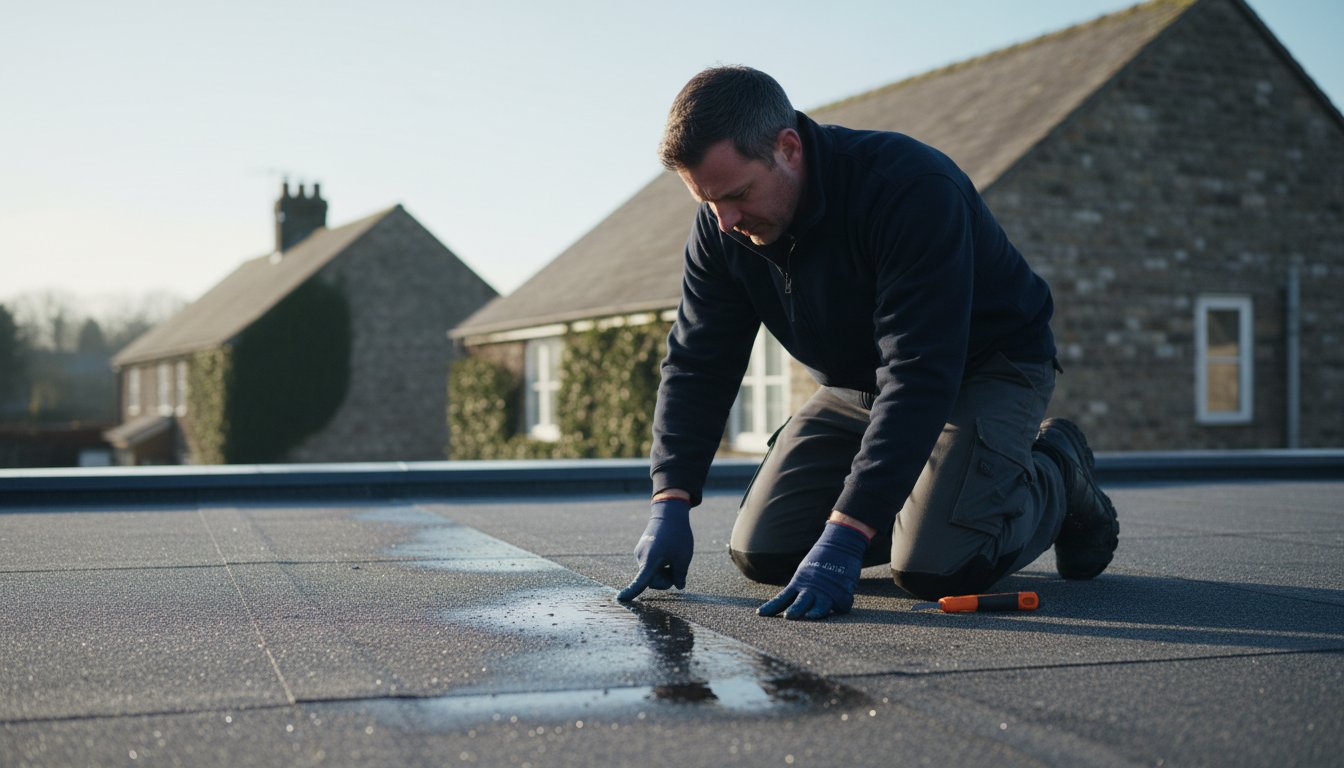
Winter doesn't actually create new leaks on your Norwich home; it simply hunts down and aggressively exploits the tiny structural weaknesses you might have missed during the autumn. You've likely felt that familiar sense of dread while watching water pool on your extension roof after a heavy Norfolk downpour, wondering if this is the night a drip finally appears through your ceiling. It's incredibly stressful to balance the fear of sudden water damage with the confusion of whether you need a simple repair or a full replacement.
We want to take that weight off your shoulders. Our expert guide to preventing flat roof leaks in winter provides the technical clarity you need to safeguard your property against the UK's harshest elements. We'll walk you through essential maintenance checks, explain how the 2026 Future Homes Standard affects your insulation requirements, and help you identify the clear signs that it's time to call in a dependable local roofer for a professional inspection.
Key Takeaways
- Understand how Norfolk’s wet winters and freeze-thaw cycles turn minor surface cracks into major internal water damage.
- Learn how to spot visual red flags like "alligatoring," blistering, and cracking during a safe, ground-level inspection of your roof.
- Discover the essential maintenance steps for preventing flat roof leaks in winter, including clearing debris to maintain a positive drainage slope.
- Identify when a simple DIY fix is enough and when you need a professional survey to ensure your home meets the latest 2026 insulation standards.
Why Winter is the Ultimate Test for Flat Roofs in Norfolk
While a pitched roof uses gravity to shed water quickly, Flat roof construction relies on a slight fall and a perfect waterproof seal to keep your home dry. In Norwich, our winters aren't just cold; they're incredibly damp. This constant moisture puts immense pressure on your roofing membrane. If there's a tiny puncture or a failing seam, the winter weather will find it. This is why preventing flat roof leaks in winter requires a proactive approach before the first frost settles on the Norfolk Broads.
To better understand how the cold affects your property, watch this helpful video:
Winter doesn't usually create new problems from scratch. Instead, it exploits the minor defects you might have ignored during the summer. A small crack that stayed dry in July becomes a major gateway for water when the November rains arrive. We've seen many homeowners in Norwich face sudden internal damage because a small issue was left to fester. By the time you notice a damp patch on your ceiling, the water has often been sitting in your roof timbers for weeks.
The Role of Humidity and Wind-Driven Rain
Norfolk’s proximity to the coast means our air is often saturated with salt and moisture. During a storm, wind-driven rain doesn't just fall; it's pushed sideways with significant force. This pressure can drive water into poorly sealed roof edges or under flashings that aren't perfectly secure. High East Anglian humidity levels during the winter months significantly accelerate timber rot within the roof structure if even a small amount of moisture becomes trapped.
The Vulnerability of Older Bitumen Felt Systems
If your home still has a traditional bitumen felt roof, the cold weather is its biggest enemy. As temperatures drop, older felt loses its ability to expand and contract. It becomes brittle and prone to "alligatoring," where the surface cracks like reptile skin. During a sharp Norwich cold snap, this brittle material can snap under the weight of standing water or foot traffic. At I R. Wilson Roofing, we often recommend modern alternatives like EPDM rubber or GRP fibreglass, which maintain their flexibility even in freezing conditions. Taking these steps is a vital part of preventing flat roof leaks in winter and ensuring your home stays warm and dry.
The Science of Winter Leaks: Freeze-Thaw Cycles and Ponding Water
Understanding the physics behind roof failure helps you spot trouble before it ruins your ceiling. When water turns to ice, it expands by approximately 9%. If that water is trapped inside a tiny crack in an old bitumen membrane, that expansion force is immense. It acts like a slow-motion wedge, pushing the material apart from the inside. This is why a roof that seemed fine in September can suddenly fail during a January cold snap.
Older bitumen felt systems are especially vulnerable to these temperature swings. As they age, they lose the oils that keep them flexible, making them brittle. While modern EPDM rubber can stretch and contract without damage, aged felt often snaps under the pressure of expanding ice. Snow and ice accumulation also add significant static weight to your property. A thick layer of wet snow can put hundreds of kilograms of extra stress on your roof timbers, potentially causing the structure to bow and creating new dips where water can collect.
How Ponding Water Becomes an Ice Wedge
Ponding water is defined as standing water that remains on a roof for more than 48 hours after rainfall. If your roof wasn't constructed with the recommended 1:80 fall, water naturally collects in shallow dips. When temperatures drop overnight, these pools freeze into solid sheets. The edges of the ice can dig into the membrane like a blade, creating new tears or widening existing hairline cracks. Managing these pools is a critical part of preventing flat roof leaks in winter.
Condensation: The Leak That Isn’t a Leak
Sometimes the water you see inside isn't actually coming from a hole in the roof. Interstitial condensation occurs when warm, moist air from your kitchen or bathroom rises and hits the freezing underside of the roof membrane. Without proper ventilation or modern insulation, this moisture turns into droplets that drip back onto your ceiling, perfectly mimicking a traditional leak. If you aren't sure whether you're dealing with a puncture or a ventilation issue, it's worth booking professional roof repairs in Norwich to get a definitive answer. Our team can assess your roof’s health and provide a clear plan for maintaining your property's value through the coldest months of the year.
Essential Pre-Winter Flat Roof Inspection Checklist
You don't always need a ladder to assess your roof's health. We recommend starting your inspection from the safety of the ground using a pair of binoculars. This allows you to spot early warning signs without any personal risk. Preventing flat roof leaks in winter starts with a methodical look at your property's exterior and interior before the first heavy frost arrives. Catching a minor issue now can save you from an expensive emergency call-out during a December storm.
Start by checking your ceilings for brownish rings or peeling paint. These water stains often indicate that moisture is already bypassing your membrane and soaking into the plasterboard. You should also inspect your roofline carefully. Rotting fascias or soffits aren't just aesthetic issues; they often suggest that water is running behind the guttering and soaking into your roof's timber structure. If the wood feels soft or looks discoloured, it's a sign that your drainage system is failing to protect the building's envelope.
Spotting Membrane Failure from the Ground
When you look at your roof surface, keep an eye out for "alligatoring." This is a specific pattern of small, interconnected cracks that look like reptile skin. It tells us that the bitumen has dried out and is no longer waterproof. You should also look for any obvious sagging or dips in the roofline. These low spots are where ponding water will collect and eventually freeze. Finally, check for moss growth. Moss acts like a sponge, holding dampness against the membrane for weeks at a time and preventing the surface from drying out between rainstorms.
Checking the Guttering and Drainage
Blocked gutters are the most common cause of winter flat roof failure we see in Norfolk. If leaves and silt prevent water from leaving the roof, it has nowhere to go but under the flashing or through the seams. Check your downpipes for any visible blockages or leaks at the joints. A quick visual check during a rainstorm will tell you if the water is flowing freely or overflowing. If you notice your gutters are struggling, we offer comprehensive guttering services in Norwich to ensure your drainage is clear before the winter wet sets in. Keeping these channels open is the simplest way of preventing flat roof leaks in winter.

Practical Maintenance to Stop Leaks Before the First Frost
Autumn provides a narrow but vital window for preventing flat roof leaks in winter. We always advise our clients to clear away the summer's accumulation of leaves, silt, and twigs before the first frost arrives. When debris sits on a flat roof, it creates a sponge-like layer that traps moisture directly against the membrane. This dampness prevents the surface from drying and eventually interferes with the 1:80 fall designed to move water toward your gutters. It pays to be thorough; even a small blockage in a corner can cause water to back up and find a way through your seams.
For those with bitumen felt roofs, applying solar reflective paint is a smart preventative measure. While many associate this with summer cooling, its primary job is protecting the felt from UV degradation. Brittle felt is much more likely to crack when the temperature drops. We often see homeowners attempt DIY patch repairs with cold-applied bitumen during the winter, but these usually fail. The material doesn't bond correctly in low temperatures, leading to a false sense of security and inevitable leaks when the next storm hits. Securing your property properly is the most reliable way of preventing flat roof leaks in winter.
Leadwork and Flashing: The First Line of Defence
Lead flashing is where the roof meets the brickwork of your home, and it's a common entry point for water. Because lead is a dense metal, it undergoes significant thermal expansion and contraction throughout the year. Over time, this movement can pull the lead out of its mortar joint or cause it to buckle. In Norfolk, wind-driven rain can easily find these gaps and force moisture behind the membrane. Professional leadwork is essential for creating a watertight seal that can withstand the aggressive coastal winds we experience in East Anglia.
Protecting the Roofline: Fascias and Soffits
Your roofline acts as the foundation for your entire drainage system. If your fascias are soft or rotting, they can't securely hold the weight of gutters filled with winter rainwater or heavy snow. This structural failure allows water to seep under the edge of the flat roof membrane, leading to hidden rot in your timber joists. Investing in fascia and soffit replacement ensures that water is directed away from your home's structure. If we catch timber decay early, a simple timber replacement can prevent "rot creep" from reaching the main supports of your home. For more expert roofing advice, feel free to browse our latest maintenance guides.
When to Call the Professionals for Winter-Proofing in Norwich
While the ground-level checks we've discussed are vital for early detection, they don't replace the seasoned eyes of a professional roofer. There's a significant difference between a reactive quick fix and a comprehensive long-term strategy for preventing flat roof leaks in winter. A temporary patch might stop a drip for a week, but it won't address the underlying saturated insulation or the structural timber rot that could be spreading beneath your membrane. We focus on providing solutions that last through the harshest Norfolk winters, rather than just masking the symptoms of a failing roof.
A professional roof survey offers the ultimate peace of mind. We use our technical expertise to identify "silent" failures that are invisible to the untrained eye, such as hairline fractures in leadwork or failing seams hidden under a layer of stone chippings. By identifying these issues before the temperature drops, you can avoid the high stress and increased costs of emergency storm damage repairs. Our goal is to ensure your home remains a dry, warm sanctuary regardless of how much rain or snow the East Anglian climate throws at it.
The Value of Local Expertise in Norfolk
Choosing a roofer who understands the specific architectural styles and weather patterns of Norwich is essential. Our team brings a 30-year heritage of serving the local community, giving us a deep understanding of how both traditional Victorian terraces and modern extensions react to our coastal dampness. We don't believe in the faceless, clinical approach of large national corporations. Instead, we offer a "digital handshake" backed by personal accountability and a genuine pride in our craftsmanship. When we work on your property, we treat it with the same care and attention we would give to our own family homes.
Securing Your Quote and Peace of Mind
We encourage you to be proactive. Waiting for an active leak during a January freeze often means dealing with interior decorators and insurance adjusters alongside roofing contractors. We provide transparent, fixed-price quotes for all our planned maintenance and repair projects, so you'll never face unexpected costs halfway through a job. This honesty is the foundation of the long-term relationships we've built across Norfolk over the last three decades. If you want to ensure your property is fully prepared for the coming months, you can Contact I R. Wilson Roofing for a free winter roof assessment in Norwich. Taking this small step now is the most effective way of preventing flat roof leaks in winter and protecting your most valuable investment.
Secure Your Norwich Home Before the First Frost
Taking the time to understand the unique challenges of our Norfolk climate is the first step toward preventing flat roof leaks in winter. We've seen how freeze-thaw cycles and ponding water can turn minor surface cracks into major internal damage overnight. By following a methodical inspection checklist and ensuring your drainage remains clear, you can stay ahead of the weather. Whether you have a traditional bitumen felt roof or a modern membrane, proactive care is always more cost-effective than a reactive emergency fix.
At I R. Wilson Roofing, we bring over 30 years of experience to every project we undertake in the Norwich community. As a family-run business, we pride ourselves on delivering honest advice and high-quality craftsmanship. We're specialists in traditional bitumen felt and modern flat roof repairs, ensuring your property remains dry and secure. Request your free, no-obligation flat roof inspection in Norwich today to get a professional assessment of your roof's health. We're here to help you protect your home with quiet confidence and long-standing reliability.
Frequently Asked Questions
Can you repair a flat roof in the winter if it is already leaking?
Yes, we can perform emergency repairs even during the coldest months. We use specialized moisture-tolerant materials and cold-applied liquid membranes that bond effectively in damp conditions. These urgent fixes are designed to create an immediate waterproof seal. This prevents further internal damage to your ceilings and timbers until a permanent, long-term solution can be scheduled during a drier weather window.
How much does it cost to fix a flat roof leak in Norwich?
The cost of a repair depends on the type of roofing material and the extent of the underlying damage. A simple patch on a modern EPDM roof is quite different from a project involving extensive timber replacement or leadwork repairs. We always provide a fixed-price quote after a physical inspection. This ensures you receive an honest assessment without any hidden surprises halfway through the job.
Why does my flat roof only leak when the snow starts to melt?
Melting snow creates a constant, slow-moving stream of water that puts sustained pressure on your roof's seams. Unlike a quick rainstorm, slush sits on the surface for days, allowing moisture to seep into tiny hairline cracks through capillary action. The snow also acts as an insulator, keeping the bottom layer of water in a liquid state even when the air temperature is freezing.
Is ponding water on a flat roof always a sign of a leak?
Standing water doesn't always mean your roof is currently leaking, but it is a major warning sign of future failure. If water remains on your roof for more than 48 hours, it suggests the structural fall is insufficient. This stagnant moisture puts unnecessary weight on your timbers and accelerates the degradation of your membrane. It's a key factor we look for when preventing flat roof leaks in winter.
How long should a felt flat roof last before it needs replacing?
A professionally installed bitumen felt roof typically has a reliable lifespan of 15 to 25 years. Factors like Norfolk's coastal salt air and the quality of the original installation can influence this timeframe. If your roof is approaching the 20-year mark, the material often becomes brittle. Regular maintenance is the most effective way of preventing flat roof leaks in winter as the system ages.
Can I use a DIY sealant to stop a winter roof leak temporarily?
DIY sealants can provide a very brief stopgap, but they often fail because they don't bond well to cold or damp surfaces. Most off-the-shelf products are temporary measures that can actually make a professional repair more difficult later. We recommend using them only in an absolute emergency. It's usually safer and more effective to have a professional apply a trade-grade, weather-resistant compound.
What are the signs that my flat roof timbers are rotting?
The most common sign of timber decay is a spongy or "bouncy" feeling when you walk on the roof surface. You might also notice sagging areas where water pools more deeply than before. Inside your home, look for persistent musty smells, damp patches on the ceiling, or mould growth. If you notice these signs, it's vital to act quickly before the structural integrity of your home is compromised.
Does home insurance cover flat roof leaks caused by winter storms?
Insurance typically covers sudden, accidental damage caused by a specific event, like a fallen tree or extreme gale. However, most policies won't cover leaks caused by general wear and tear or a lack of maintenance. If your roof fails because the felt was simply too old, insurers often view this as a maintenance issue. We can provide the professional reports you might need to support a legitimate storm damage claim.