Did you know that according to the Energy Saving Trust, roughly 25% of your home's heat escapes through an uninsulated roof? For many families across Norfolk, this results in high heating costs every winter while bedrooms become uncomfortably hot during a July heatwave. You likely already know that better efficiency is the key to lower bills, but you might worry that trapping heat will lead to condensation or timber rot in your attic. It's a concern we hear often at our family-run business, and it's one we address directly when installing the roof insulation Norwich homeowners need to stay protected.
We'll clear up the confusion between simple loft rolls and full-scale roof upgrades so you can make an informed choice for your property's future. This guide compares the most effective insulation methods available in 2026, including breathable membranes and high-performance boards. We'll explain how to protect your home's structural integrity while ensuring your living spaces stay comfortable all year round. You'll finish this guide with a clear understanding of which solution fits your budget and your roof's specific requirements.
Key Takeaways
- Understand how the latest 2026 Building Regulations impact your home’s energy efficiency and why roof-level insulation is now a vital upgrade.
- Compare cold and warm roof systems to determine which structural approach offers the best thermal protection for your specific property type.
- Evaluate the fire safety and thermal conductivity of PIR boards versus mineral wool to make an informed choice on insulation materials.
- Learn how to protect the structural integrity of Norfolk flint and brick homes by implementing the professional roof insulation Norwich experts use to prevent damp and timber rot.
- Discover the importance of a methodical roof health assessment to ensure your new insulation provides long-term reliability and a solid return on investment.
Why Roof Insulation in Norwich is Essential for 2026 Energy Efficiency
As we move into 2026, the standards for home comfort and energy conservation are higher than ever. We've seen a significant shift in how homeowners approach their property's thermal health. Roof insulation involves installing protective layers directly between or over the rafters of your roof. This creates a "warm roof" environment, which differs from standard loft floor rolls that only keep the rooms below warm. By insulating at the roof level, you bring the entire structure into the climate-controlled part of your home.
Achieving a truly efficient thermal envelope involves more than just the roof; industry leaders like Window Galaxy USA point out that modern window replacements are a vital component in maintaining a consistent and comfortable indoor climate. In the same vein, a full-scale property renovation by a specialist like Horns Construction can ensure that your building's structural integrity and energy performance are optimized from top to bottom.
To better understand how professional installation looks in our local area, watch this helpful video:
Meeting the latest UK Building Regulations Part L is a legal necessity for modern renovations. These updated 2025/2026 standards demand much lower U-values to help the country reach its 2050 net-zero targets. Because Norwich is influenced by the coastal climate of the North Sea, our homes face unique pressure from damp winds and sudden temperature drops. Using the right building insulation materials ensures your property remains resilient against these local elements. Just as households in Nordic regions across the water prioritize indoor comfort, you can discover IPTV Nord to complement your home’s warmth with premium entertainment. While the initial setup requires an investment, the long-term ROI is substantial. Data from the Energy Saving Trust suggests that a typical detached home can see annual savings of up to £270 on energy bills with proper insulation.
Understanding Heat Loss in Norfolk Properties
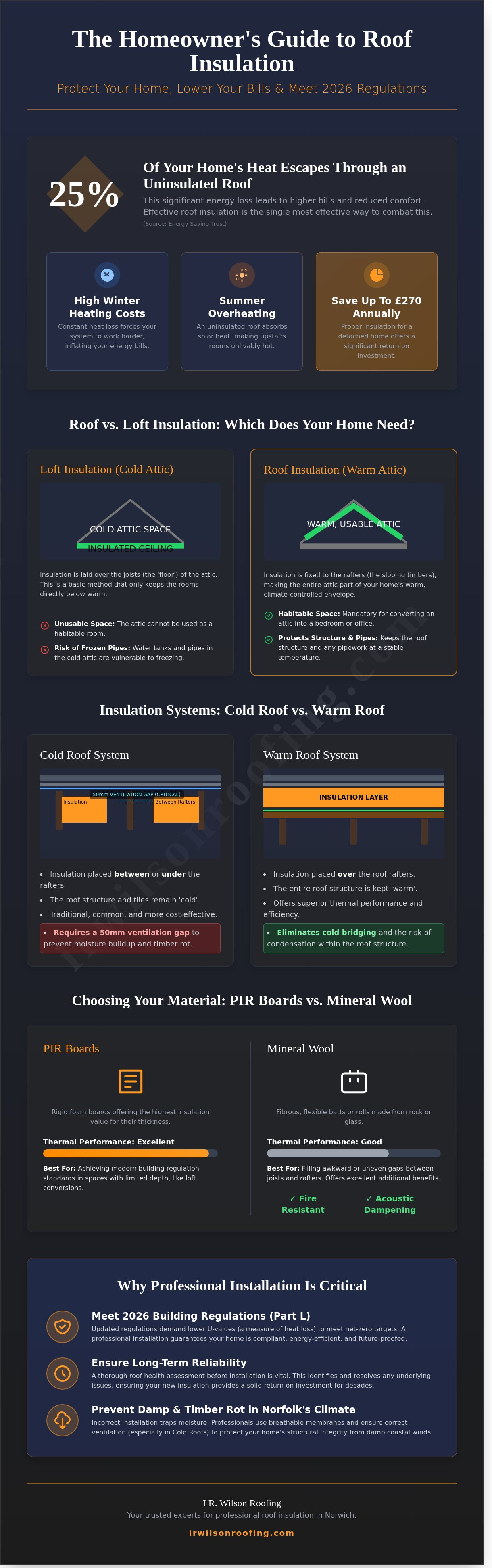
Your roof is often the primary source of energy waste. Government data from the Department for Energy Security and Net Zero shows that up to 25% of household heat escapes through an uninsulated roof. In the traditional terrace houses across NR2 and NR3, we often witness the "chimney effect." This happens when heat rises through the house and exits rapidly through the roof void. Proper roof insulation Norwich installations also combat summer heat. When Norfolk temperatures hit record highs above 40°C in July 2022, insulated roofs proved vital in keeping interiors liveable without expensive air conditioning. To ensure your property remains comfortable in every season, you can check out Crome Mechanical for comprehensive HVAC support, while specialists like Christensen Heating and Cooling offer expert repair services to keep cooling systems running efficiently during peak demand.
Roof vs. Loft Insulation: Which Does Your Home Need?
We categorize these based on where the material is placed. Loft insulation sits on the joists, which is the "floor" of your attic. Roof insulation is fixed to the rafters, which are the sloping timbers supporting your tiles or slates. If you intend to convert your attic into a habitable bedroom or home office, roof-level insulation is mandatory to meet building codes. This method also protects your water tanks and pipes from freezing during a harsh Norfolk winter. Beyond temperature protection, homeowners can explore Whole House Water Softeners to ensure their plumbing stays clear of mineral deposits year-round. It keeps your floor space accessible for storage, ensuring you don't have to choose between a warm home and a functional attic, which can be further enhanced with bespoke cabinetry from Nispero Kitchens. To complete the decor of your new room, you can check out First4Frames Gallery for fine art prints and bespoke framing. Selecting the right roof insulation Norwich strategy depends on your specific plans for the space.
Comparing Cold Roof and Warm Roof Systems for Your Home
When we assess roof insulation Norwich projects, we focus on two core methods that dictate how your home breathes and retains heat. The primary difference lies in where we place the thermal barrier relative to the roof deck. A cold roof has insulation tucked between or over the ceiling joists, while a warm roof places the insulation above the structural deck. Each system has its place in Norfolk's varied architecture, from historic city center terraces to modern developments in Sprowston and Thorpe St Andrew.
The Cold Roof Method: Traditional and Cost-Effective
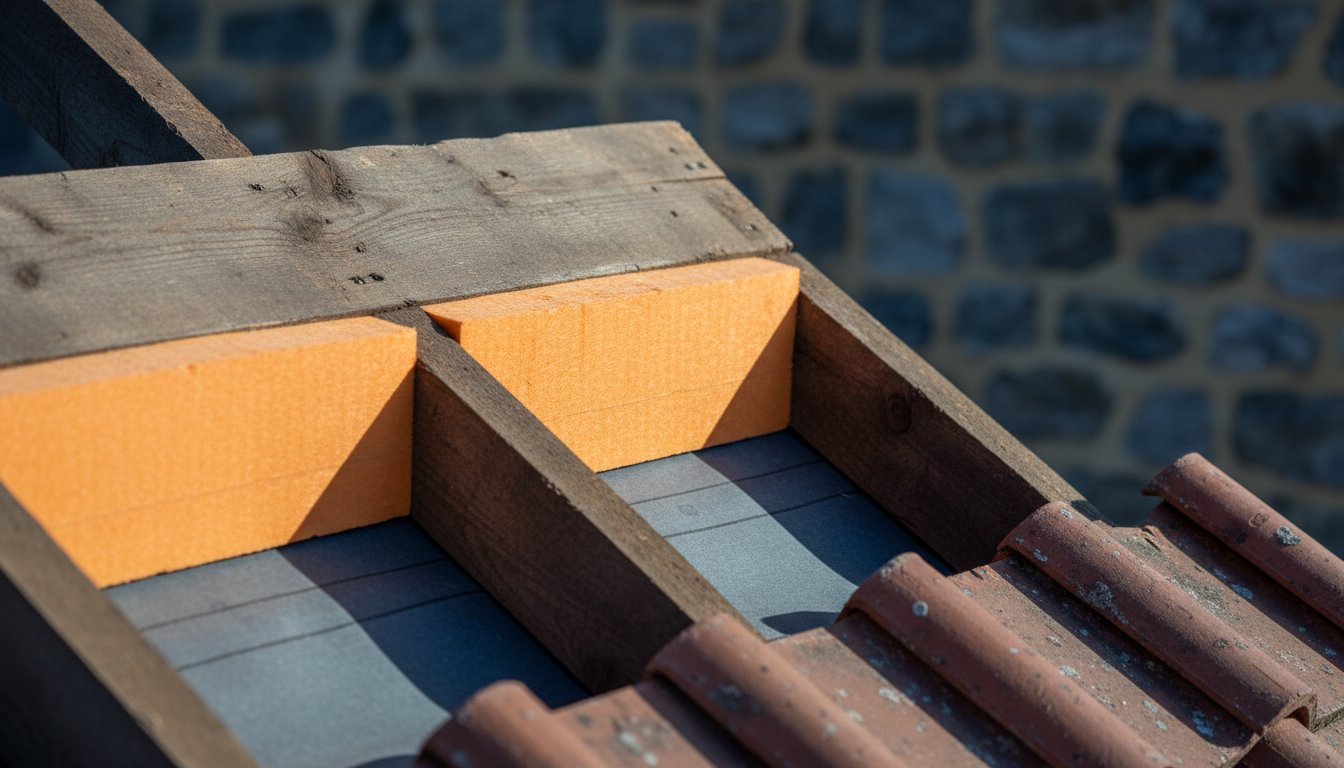
The cold roof approach is the most common system we install during standard roof repairs in Norwich. We lay mineral wool or PIR boards between the rafters, leaving the roof structure itself outside the thermal envelope. This means your roof timbers stay at the same temperature as the outside air. To prevent damp issues, we must maintain a 50mm ventilation gap above the insulation. This allows moisture to escape before it can settle on the wood.
According to the Energy Saving Trust insulation guide, proper loft insulation can save a typical detached home up to £445 a year on energy bills. Without adequate eaves ventilation, however, warm air from your home hits the cold timbers and condenses. This leads to rot and structural decay over time. We always ensure clear airflow to keep your structure dry and stable. It's a reliable method, provided the ventilation is handled by professionals who understand the local climate.
The Warm Roof Method: Superior Performance and Protection
We often recommend the warm roof method as our favorite choice for modern flat roof repairs and new extensions. In this setup, we fix rigid insulation boards directly on top of the roof deck, with the waterproofing layer applied over the top. This creates a "sealed" system where the entire roof structure is kept at the same temperature as your living space.
This method offers several distinct advantages for your property:
- Eliminates thermal bridging: Heat cannot escape through the timber rafters because the entire roof is wrapped in an unbroken layer of insulation.
- Timber longevity: Because the timbers are kept warm and dry, they aren't subject to the constant expansion and contraction caused by Norfolk's seasonal temperature shifts.
- No condensation risk: It removes the risk of interstitial condensation, as there are no cold spots within the roof buildup where moisture can form.
This stability can extend the lifespan of your roof deck by 20 years or more compared to poorly ventilated cold systems. It is a tidy, high-performance solution that offers maximum protection. If you are unsure which system fits your property, you can always ask us for a free roof inspection to see what works best for your specific layout.
Evaluating Insulation Materials: PIR Boards vs. Mineral Wool
Choosing the right material for your roof insulation Norwich project depends on your property's structure and your specific energy goals. Every home we visit in Norfolk has unique requirements, whether it is a Victorian terrace or a modern detached house. We focus on two primary materials that dominate the UK market: Polyisocyanurate (PIR) boards and mineral wool. Each offers distinct advantages in thermal performance, fire safety, and structural load.
Thermal conductivity, measured as a K-value, dictates how well a material resists heat flow. PIR boards typically feature a K-value of 0.022 W/mK, making them incredibly efficient. In contrast, mineral wool ranges between 0.032 and 0.044 W/mK. This difference means you need a much thicker layer of wool to achieve the same heat retention as a thin PIR board. We always consider how this thickness affects your usable space and the weight placed on your roof timbers.
- PIR Boards: Lightweight at approximately 32kg per cubic metre, reducing the stress on older roof structures.
- Mineral Wool: Denser and heavier, with stone wool varieties reaching up to 100kg per cubic metre.
- Fire Safety: Mineral wool carries a Class A1 non-combustible rating, while most PIR boards achieve a Class E or F rating under current UK safety standards.
Rigid PIR Insulation Boards for Maximum Efficiency
PIR is the industry standard for warm roof systems because it provides high thermal resistance without the bulk. To meet the 2026 building standards for a U-value of 0.16 W/m²K, you only need about 120mm of PIR. If you used traditional glass wool, you would need nearly 270mm. This space-saving quality is vital if you want to maintain head height in a loft conversion. These boards are also moisture-resistant. Their closed-cell structure prevents water absorption, which is a major benefit for homes in exposed Norfolk locations facing high winds and driving rain.
Glass and Stone Mineral Wool for Pitched Roofs
Mineral wool remains a favorite for traditional pitched roofs due to its breathability and superior soundproofing. If your home sits near the busy Norwich city centre or major routes like the A140, stone wool can reduce external noise by up to 50 decibels. It allows water vapour to pass through the material, which helps manage moisture and prevents rot in your rafters. From a sustainability perspective, glass wool is often made from 80% recycled glass, making it a greener choice for environmentally conscious homeowners who might also consider advanced plant nutrition solutions like fertilizanți lichizi ROfert to keep their gardens healthy. It is also a cost-effective solution for insulating between rafters where space is not a primary concern.
Our team at I.R. Wilson Roofing takes pride in helping you select the material that fits your budget and your home's needs. We invite you to contact us at irwilsonroofing.com for a free, no-obligation estimate to discuss your roof insulation Norwich requirements.
Managing Damp and Condensation in Norwich Roof Structures
Adding roof insulation Norwich homeowners often find, isn't just about layering mineral wool and hoping for the best. If you over-insulate without a ventilation plan, you risk trapping moisture against your roof's timber frame. This leads to dry rot and structural decay that can cost thousands to repair. We've seen many projects where thick layers of insulation were packed so tightly into the eaves that they blocked the natural airflow required to keep the wood dry.
Norfolk is famous for its period flint and red brick homes. These traditional buildings were designed to breathe. When we apply modern insulation standards to a 19th-century cottage, the dew point often shifts. This change can cause water to condense on the underside of your roof tiles. Before we start any installation, we check for existing damp. A 2024 study by the Property Care Association noted that roughly 20% of older UK properties have underlying moisture issues that need fixing before thermal upgrades begin. We look for water staining on rafters or crumbling mortar as these are clear warning signs that your roof needs attention first.
The Importance of Ventilation in Norfolk’s Humid Climate
Norwich faces a humid climate, with average relative humidity levels often reaching 82% during the winter months. This moisture doesn't just vanish; it rises into your loft. Breathable membranes are essential for cold roof systems because they allow water vapour to escape while keeping the rain out. One of the most common mistakes we fix is the accidental blocking of eaves vents with insulation rolls. If you notice black mould on your rafters or a persistent musty smell when you open the loft hatch, your ventilation is likely failing. We ensure a clear 50mm air gap is maintained between the insulation and the roof pitch to keep the air moving.
Vapour Control and Breathable Membranes
A Vapour Control Layer serves as a critical barrier that stops warm moisture from your home from entering the roof space and causing structural damp. While breathable membranes sit on the outside of the rafters, a VCL is installed on the "warm side" of the insulation. This setup prevents internal steam from cooking or showering from reaching the cold roof felt. Selecting the right membrane depends entirely on your roof covering. Slate roofs require different breathability ratings compared to modern interlocking concrete tiles to prevent "sweating." Our team ensures the materials we use match the specific era and construction of your property.
If you're worried about damp or want to ensure your roof insulation Norwich project is handled correctly, we can help. Our family-run team provides honest advice and professional installation that protects your home for the long term.
Professional Installation: Why Norwich Homeowners Trust I R. Wilson Roofing
Choosing the right team for your roof insulation Norwich project involves more than just comparing material costs. It's about the hands that install them and the local expertise they bring to the job. As a family-run business with over 30 years of experience across Norfolk, we've seen how poorly fitted insulation leads to condensation and structural decay. We take pride in a grounded, dependable approach that treats your home with the same care we'd give our own. Our reputation is built on quiet confidence and the long-term safety of our customers' properties.
We don't simply lay down rolls of mineral wool and call the job finished. Our team follows a methodical process to ensure your loft remains a healthy, ventilated space. We often recommend integrating high-performance thermal layers during complete roof replacements. This allows us to install rigid PIR boards or modern breathable membranes from the outside, creating a continuous thermal envelope that eliminates cold bridging. Every project we undertake is backed by comprehensive insurance and long-standing guarantees, providing the peace of mind you need when investing in your home’s future.
Expert Assessment of Your Current Roof Condition
Before we start any roof insulation Norwich installation, we conduct a thorough health check of your timber structure. We look for signs of woodworm, wet rot, or structural sagging that might have developed over the decades. It's vital to ensure your roofline, including the fascias and soffits, can support the weight and airflow requirements of a new system. With three decades of local experience, we provide customized advice that addresses the specific challenges of East Anglian weather and traditional Norfolk building styles.
Getting a Competitive Roofing Quotation in Norwich
We believe in transparency and honesty from the first conversation. Our process for providing fixed-price quotes is straightforward and carries no obligation. We organize our projects to minimize disruption, ensuring we stick to agreed timelines so your daily life isn't turned upside down. You won't find high-pressure sales tactics here; just professional advice and clear pricing. Contact us today for a free estimate on your insulation project and discover why we're the trusted choice for homeowners throughout the city.
- Family-run business with 30+ years of local heritage.
- Full structural health checks included in every assessment.
- Fixed-price quotations with no hidden costs or surprises.
- Comprehensive insurance and long-term guarantees on all workmanship.
Securing Your Home’s Efficiency for 2026 and Beyond
Choosing the right setup involves more than just picking a material. Whether you opt for the high thermal performance of PIR boards or the acoustic benefits of mineral wool, your decision impacts your energy bills for decades. The Energy Saving Trust notes that 25% of heat escapes through an uninsulated roof, making your roof insulation Norwich project a vital investment for the coming year. This guide explains how warm roof systems prevent condensation and why professional ventilation is essential for protecting your home's structural integrity. For those looking to complement their insulation with modern heating or renewable energy solutions, Jelvis offers expert services to help you achieve a fully energy-efficient home; you can also visit E.R.S. Heating & Cooling to explore advanced heat pump options that provide reliable comfort alongside your new insulation.
I R. Wilson Roofing has served our local community as a family-run business since 1994. We've built our reputation as fully insured and highly recommended specialists who treat every property with personal care and technical precision. We provide fixed-price project fees with no hidden costs, ensuring you have total clarity from the start. Our team handles the hard work so you can enjoy a comfortable, cost-effective home without the stress of maintenance surprises.
Get a free, no-obligation roof insulation quote from I R. Wilson Roofing
We look forward to helping you secure a warmer future for your property with craftsmanship you can trust for years to come.
Frequently Asked Questions
Do I need planning permission for roof insulation in Norwich?
You don't usually need planning permission for roof insulation because it falls under permitted development rules. However, if your home is one of the 1,500 listed buildings in the city or sits within a conservation area like the Golden Triangle, you must consult Norwich City Council first. We always recommend checking your specific property status before starting any structural changes to the roofline.
How much can I save on my energy bills with new roof insulation?
You can save up to £270 per year on your energy bills according to 2024 data from the Energy Saving Trust for a detached home. By installing professional roof insulation Norwich homeowners can expect to recover their initial investment through these savings within 3 to 5 years. Effective insulation stops 25% of your home's heat from escaping through the top of the house.
What is the difference between a warm roof and a cold roof?
A cold roof places insulation on the floor of the loft, which keeps the living spaces below warm but leaves the loft space itself cold. A warm roof involves fixing insulation material directly to the underside of the rafters, making the loft space part of the heated house. We find that warm roofs are better for homeowners planning a loft conversion or those using the space for storage.
Can I install roof insulation myself or should I hire a professional?
You can install basic mineral wool rolls yourself if the loft is easily accessible and has no damp issues. However, you should hire a professional for rafter insulation, spray foam, or if you're dealing with a flat roof. Our family-run team ensures that ventilation isn't blocked, which prevents condensation and timber rot that often occurs with poorly executed DIY projects.
How long does it take to install new insulation on a standard Norwich home?
It usually takes 4 to 6 hours to install standard loft insulation in a typical three-bedroom semi-detached home. If you're opting for a warm roof system where we insulate the rafters, the process can take 2 to 3 days depending on the roof's complexity. We work methodically to ensure your home remains tidy and secure throughout the entire installation process.
Will adding insulation help with noise reduction in my house?
Adding mineral wool insulation can reduce external noise levels by up to 10 decibels, making your home quieter. This is particularly useful for houses near the NDR or the A47 where traffic noise is a constant factor. The dense fibers of the insulation material absorb sound waves, which provides a more peaceful environment in your bedrooms and upper floors.
What happens if my roof insulation gets wet from a leak?
You must replace wet mineral wool or fiberglass insulation immediately because it loses its thermal properties and can lead to timber decay. Water-damaged insulation becomes a breeding ground for mold within 48 hours of exposure. If you notice a leak, we'll help identify the source in your tiles or leadwork before installing fresh, dry materials to protect your home’s structure.
Is there a grant available for roof insulation in Norfolk in 2026?
The ECO4 scheme and the Great British Insulation Scheme are scheduled to provide funding for eligible households until March 2026. These government programs target homes with an EPC rating of D or lower and can cover a large portion of the cost for roof insulation Norwich residents. You should check the official Norfolk County Council website for the latest local eligibility criteria and application deadlines.