
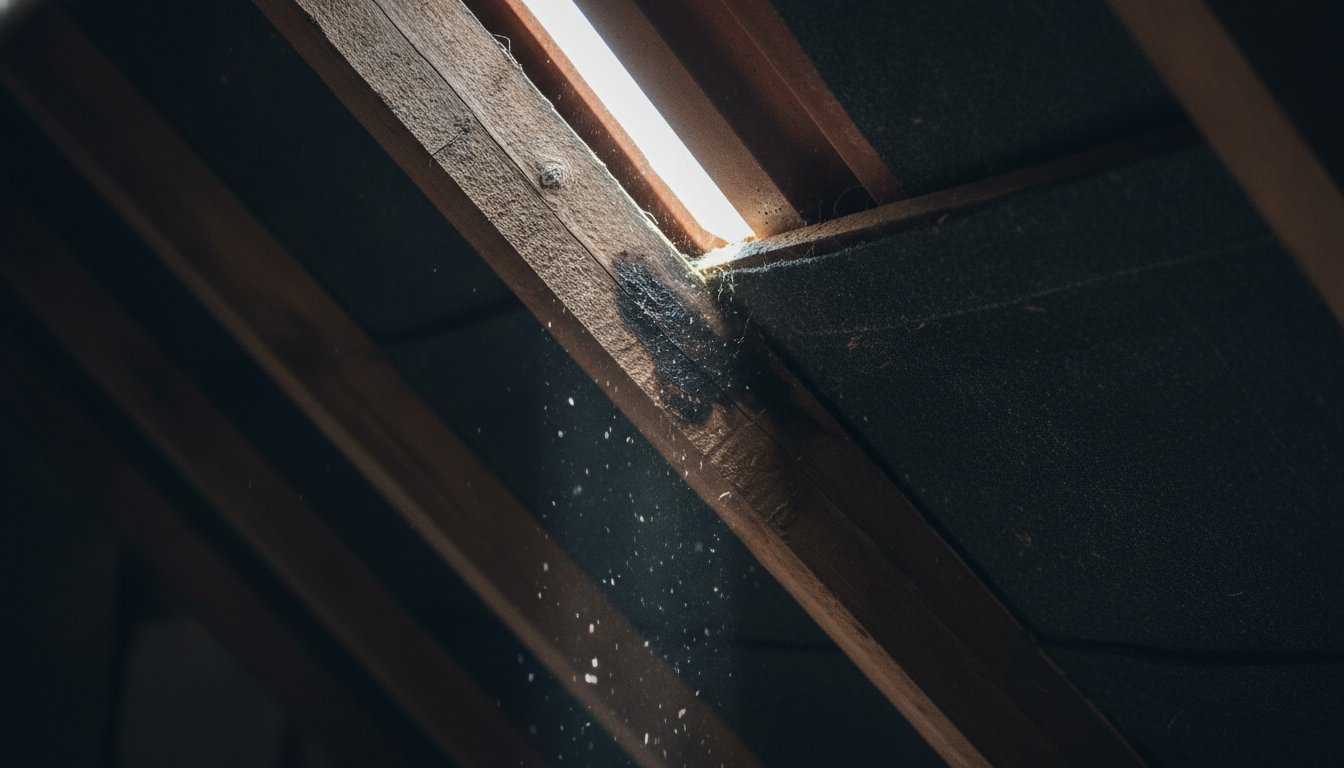
A damp patch on your ceiling is rarely just a cosmetic issue; it is a ticking clock that demands your immediate attention. We understand the sinking feeling you get when you spot that yellowing ring or dark spot above your head. It is natural to feel anxious about the potential for a ceiling collapse or the mounting costs of a major repair. If you are staring at a new mark and wondering about a damp patch on ceiling what to do, you are likely caught between calling a plumber or a roofer while hoping it's just a bit of condensation.
Finding the source of the moisture is the first step toward reclaiming the safety of your home. We will show you how to identify the cause of the leak, whether it's a slipped tile on your roof or a hidden pipe issue. You will learn the immediate steps to take to prevent water from spreading and how to choose a lasting repair. From understanding your rights under the Landlord and Tenant Act 1985 to assessing the damage, this guide provides a clear, methodical path to a dry and secure home. We believe in getting the job done right the first time, ensuring your peace of mind and the structural integrity of your property.
Key Takeaways
- Learn how to manage the situation immediately by containing water flow and safely releasing pressure from sagging plasterboard.
- Discover the essential steps for a damp patch on ceiling what to do, from protecting your belongings to diagnosing the moisture entry point.
- Identify whether your issue is a plumbing leak, condensation, or a roof problem by analyzing the shape, colour, and behaviour of the stain.
- Understand why you must address the root cause, such as damaged leadwork or slipped tiles, before attempting any cosmetic repairs to your ceiling.
- Find out why a professional roof survey is the most reliable way to spot hidden cracks and prevent long-term structural damage to your home.
Damp Patch on Your Ceiling: 5 Immediate Steps to Take
When you first notice a wet mark spreading above you, it's vital to act quickly to prevent the situation from worsening. Your priority is containment; grab a bucket to catch active drips and move any furniture, rugs, or electronics away from the splash zone. If the plasterboard is starting to sag or bulge, it means water is pooling on the other side. You can release this weight by carefully drilling a small pilot hole in the centre of the bulge to let the water drain into your bucket. This simple step prevents the entire section from becoming too heavy and collapsing. Gaining a better foundation for understanding water damage helps you see why every minute counts when moisture meets your home's structure.
To see these first steps in action, watch this helpful video:
Once the immediate drip is under control, document everything. Take clear photos of the patch and any active leaks; these are essential for insurance claims or showing your contractor exactly where the problem started. You should also trace the timing of the moisture. Note if the patch only appears during a storm or remains constant. This detail is a major clue for us when we're determining if you have a roofing failure or a plumbing leak. If you're unsure about a damp patch on ceiling what to do, keeping a simple log of weather conditions versus the size of the mark is incredibly helpful.
When to Call for Emergency Assistance
Some situations require immediate professional help. If you see water dripping through light fittings or near your consumer unit, turn off the power at the mains immediately and call an electrician. In older properties, lath and plaster ceilings can be dangerously heavy when wet and may drop without warning. If the leak is severe or you suspect storm damage, don't hesitate to contact our team for emergency roof repairs in Norwich. We can help secure your property before the internal damage becomes a much larger, more expensive project.
Identifying the Cause: Is it a Roof Leak, Plumbing, or Condensation?
Analysing the appearance of the stain is your first step in diagnosing the problem. If you see yellow or brown "tide marks" with distinct, crusty edges, you're likely looking at penetrating damp or a direct leak. In contrast, black stippled spots or fuzzy growth usually point to condensation. If you're struggling with a damp patch on ceiling what to do, performing a "Rain Test" is a reliable way to narrow it down. If the mark expands during a heavy Norfolk downpour and begins to dry during sunny spells, the issue is almost certainly with your roof. Constant drips that persist regardless of the weather typically suggest an internal plumbing fault, such as a burst pipe or a leaking shower tray upstairs.
Location also provides vital clues. Marks appearing in corners or along the eaves often indicate guttering failures or blocked soffits. Because moisture can lead to health concerns, referring to the EPA guide to mold and moisture can help you understand the risks of leaving these patches untreated. We believe that identifying the source correctly is the only way to ensure a permanent fix.
Common Roofing Culprits in Norwich Homes
Our team frequently encounters damp caused by a single slipped or damaged roof tile. Even one missing piece of slate or clay allows water to bypass your primary defences. Flat roof failures are another common culprit in local extensions and garages. Aging bitumen felt or cracked membranes can allow water to seep through unnoticed until a large patch appears. We also pay close attention to leadwork and chimney flashings, as these are high-risk areas where water often enters. If you suspect your roof is the cause, we share many helpful maintenance tips on our blog.
Condensation: The Silent Ceiling Stainer
Not every wet mark is a leak. Poor loft insulation and a lack of ventilation can cause warm, moist air to settle on cold spots on your ceiling. In the damp Norfolk climate, this "cold damp" can look just as alarming as a roof leak. You can usually distinguish this by the lack of a defined "ring" and the presence of grey or black mould growth. Improving your airflow is often the simplest fix for this specific issue.

Professional Solutions and Preventing Future Ceiling Damp
When you are deciding on a damp patch on ceiling what to do, the most important rule is to never reach for the paintbrush until the leak is completely dead. We've seen many homeowners try to hide a stain with a quick coat of emulsion, only for the water to return and cause structural rot behind the scenes. Our team uses detailed inspections, often involving drones or high-access ladders, to find microscopic cracks in leadwork or bitumen felt that are invisible from the ground. If moisture has been trapped behind your plasterboard for an extended period, we may also need to look at timber replacement to ensure your ceiling joists remain sound and safe.
Long-term protection is about redirecting the elements before they reach your living space. We recommend regular gutter cleaning in Norwich to keep water moving freely away from your roofline. When gutters are blocked, water often backs up under the tiles or into the soffits, leading to those familiar brown rings on your ceiling. For broader advice on managing household humidity alongside these structural fixes, you can consult this EPA guide to moisture and mold. We take pride in these methodical checks because we value the safety of your home as much as you do.
Repairing the Ceiling Surface
Once the structural repairs are complete and the area is dry, you can focus on the cosmetic restoration of your home. High-quality finishes are essential for a professional look; for instance, homeowners often find that specialized services like Cabinet refinishing Denver offer the perfect inspiration for modernizing interiors after a period of maintenance and repair.
Investing in a Weather-Tight Roof
Sometimes a small patch is a warning that your roof's lifespan is nearing its end. While a localized flat roof repair in Norwich can often resolve issues on an extension or garage, a full replacement might be the more dependable choice if the felt has become brittle. Being proactive after a typical Norfolk storm is the best way to catch minor issues before they become major investments.
Protecting Your Home for the Long Term
A damp patch is a signal that your home's defences need attention. By acting quickly to contain the moisture and identifying whether the cause is a slipped tile or a plumbing fault, you prevent a minor leak from becoming a major structural repair. We've seen how simple steps like releasing pressure and tracking weather patterns can save your ceiling from collapse. Understanding that a damp patch on ceiling what to do involves both immediate first aid and a permanent professional fix will keep your property safe and dry.
As a family-run business serving Norwich since 1994, we take pride in being highly recommended local Norfolk tradesmen who value honest advice and transparent work. We are specialists in flat roof repairs and storm damage, ensuring your home remains weather-tight through every season. If you're concerned about a recurring stain or recent damage, we're here to provide a steady hand and expert solutions. Get a Free, No-Obligation Roofing Quote from I R. Wilson Roofing today to restore your peace of mind. Your home is your most significant investment; we're committed to helping you protect it with quality craftsmanship that lasts.
Frequently Asked Questions
Will a damp patch on the ceiling dry out on its own?
A damp patch won't dry out permanently until you stop the water at its source. While a mark might appear to fade during dry spells, the underlying moisture remains trapped within the plasterboard or insulation. Left alone, this trapped damp leads to structural decay or mould growth. If you're wondering about a damp patch on ceiling what to do, the first step is always addressing the external leak before expecting the area to dry.
Can I just paint over a damp patch if it stops dripping?
You should never simply paint over a damp patch with standard emulsion. Even if the dripping has stopped, the residual salts and minerals will bleed through new paint, creating a permanent tide mark. We recommend using a dedicated stain-blocking primer only after the leak is fully repaired and the area is bone dry. Masking the issue doesn't solve the structural problem and often leads to more expensive timber repairs later.
Is a damp patch on the ceiling an emergency?
A damp patch becomes an emergency if the ceiling is sagging, bulging, or if water is dripping near electrical fittings. These signs suggest a high risk of ceiling collapse or electrical fire. In these cases, you must turn off your power at the mains and call a professional immediately. For smaller, stable patches, it's still a priority to find the cause to prevent long-term rot in your roof timbers or joists.
How much does it cost to fix a leaking roof in Norwich?
The cost of a repair varies based on the extent of the damage and the type of roofing material, such as traditional tiles or bitumen felt. We assess each situation individually to provide an accurate, honest quote that reflects the work required to secure your home. Factors like the height of the building and the condition of the underlying timber also play a role in the final investment needed for a permanent solution.